
Materials

Recyclable

Biodegradable

FDA approved
Validated Materials
| ID | Material | Category | Sub-Category | Validated | Commercially Available |
|---|
Commodity Polymers
Polypropylene is a resistant, rigid, and crystalline thermoplastic produced from propylene monomers. It has the lowest density among commodity plastics.
Composition: Polypropylene (PP)
Polymer type: Thermoplastic – semi-crystalline
Extrusion temperature: 230–260 °C
Thermoplastic polyurethane (TPU) is a melt-processable thermoplastic elastomer with high durability and flexibility. TPUs have properties that lie between those of plastics and rubber. Thanks to their thermoplastic nature, they offer several advantages over other elastomers, including excellent tensile strength, high elongation at break, and good load-bearing capacity.
Composition: Polyurethane
Polymer type: Thermoplastic elastomer
Extrusion temperature: 220–240 °C
Acrylonitrile butadiene styrene (ABS) is a thermoplastic and amorphous polymer. ABS is composed of three monomers: acrylonitrile, butadiene, and styrene. ABS is an ideal material for structural applications where impact resistance, strength, and rigidity are required.
Composition: Acrylonitrile Butadiene Styrene
Polymer type: Amorphous thermoplastic
Extrusion temperature: 230–260 °C
Validated additives: Carbon fiber (CF), Glass fibers (GF).
PVC is an economical and versatile thermoplastic polymer widely used in the construction industry to produce door and window profiles, potable water and wastewater pipes, wire and cable insulation, medical devices, and other applications.
Composition: Polyvinyl Chloride
Polymer type: Thermoplastic
Extrusion temperature: 215–230 °C
Polyethylene terephthalate glycol, also known as PETG or PET-G, is a thermoplastic polyester that provides significant chemical resistance, durability, and excellent formability for manufacturing. PETG is especially popular for commercial and consumer applications involving 3D printing and other manufacturing techniques. PETG is a food-safe plastic commonly used for food packaging and beverage bottles.
Composition: Polyethylene Terephthalate Glycol
Polymer type: Thermoplastic polyester
Extrusion temperature: 210–250 °C
Polyethylene (PE) is a lightweight and durable thermoplastic with a variable crystalline structure. PE is one of the most widely produced plastics in the world, with tens of millions of tons manufactured globally each year. It is used in applications ranging from films, pipes, plastic parts, and laminates to markets such as packaging, automotive, electrical, and more.
Composition: Polyethylene
Polymer type: Thermoplastic polymer
Extrusion temperature: 230–260 °C
Engineering Polymers
VALOX 357U is an unreinforced, UV-stabilized and impact-modified polycarbonate (PC) and polybutylene terephthalate (PBT) blend. It has excellent chemical resistance and a flame rating of [email protected] mm and [email protected] mm. VALOX357U is a good candidate for applications in the electrical industry, including coils, switches and housings.
Composition: Polycarbonate (PC) + Polybutylene terephthalate (PBT)
Polymer type: Functionalised thermoplastic
Extrusion temperature: 240–260 °C
VALOX 357X polycarbonate/polybutylene terephthalate (PC/PBT) resin is an unreinforced moldable grade. Valox 357X resin is a general-purpose resin and an excellent candidate for a wide variety of applications, including coils, switches and housings.
Composition: Polycarbonate (PC) + Polybutylene terephthalate (PBT)
Polymer type: Functionalised thermoplastic
Extrusion temperature: 240–260 °C
Grilon® BK-30 is a heat-stabilized polyamide 6 reinforced with 30% glass fiber by weight. It has normal viscosity, good impact resistance, low warpage and dimensional stability. It is mainly used in applications such as base plates in the automotive and electronics fields. It is also used in other applications such as appliances, household goods, sports and leisure, tools and accessories, industrial applications and consumer goods.
Composition: Polyamide 6 + 30% Glass fiber
Polymer type: Additive-enhanced thermoplastic (polyamide)
Extrusion temperature: 240–260 °C
PPC 7712 is an odorless, water-insoluble heterophasic polypropylene copolymer. It exhibits good flow and mechanical properties, excellent impact resistance and antistatic properties. Applications include pipes, crates, heavy-duty applications, buckets, food containers, appliances, boxes and industrial crates.
Composition: Polypropylene
Polymer type: Semi-crystalline thermoplastic
Extrusion temperature: 230–260 °C
Braskem FL900PP-CF is a specially designed carbon fiber-reinforced polypropylene made with 100% recycled carbon fiber. CF-PP has minimal shrinkage and warpage and enables users to print lightweight and exceptionally rigid parts for high-end applications such as automotive, aerospace, marine and sporting goods. Additional benefits include high continuous-use temperature, low weight, no drying requirement, and chemical and water resistance.
Composition: Polypropylene (PP) + Carbon fibers (CF)
Polymer type: Additive-enhanced thermoplastic
Extrusion temperature:
The ULTEM™ resin family of amorphous thermoplastic polyetherimide (PEI) materials offers excellent high-temperature resistance, high strength and rigidity, and broad chemical resistance. These materials uniquely balance mechanical properties and processability, offering design engineers exceptional flexibility and freedom.
Composition: Polyetherimide (PEI)
Polymer type: Amorphous thermoplastic
Extrusion temperature: 350–370 °C
*Tested with parts less than 4 mm in height.
Nylon is a generic designation for a family of synthetic polymers composed of polyamides. Polyamides are an important class of high-performance engineering thermoplastics due to their good balance of properties.
Composition: Polyamide
Types: PA6, PA12, PA66
Polymer type: Thermoplastic polymer (polyamide)
Extrusion temperature: 220–250 °C
Additives: Ferrite, NdFeB
Polyetheretherketone (PEEK) is a semi-crystalline, high-performance engineering thermoplastic. This rigid opaque material offers a unique combination of mechanical properties, resistance to chemicals, wear, fatigue and creep as well as exceptionally high temperature resistance, up to 260°C (480°F).
Composition: Polyether ether ketone
Polymer Type: Semi-crystalline thermoplastic
Extrusion temperature: 370–400 °C
Polycarbonate is a strong, amorphous and transparent high-performance thermoplastic polymer with organic functional groups linked by carbonate groups, offering a unique combination of properties. PC is widely used as an engineering plastic due to its unique characteristics, including high impact resistance, high dimensional stability and good electrical properties.
Composition: Polycarbonate
Polymer Type: Thermoplastic polymer
Extrusion temperature: 270–310 °C
Validated Additives: PBT
Metal 3D Printing
Metal/ceramic pellets consists of metal or ceramic powder and a tailor-made binding agent. By using either lab synthesised or commercially available (Catamold®) metal/ceramic pellets, geometrically sophisticated devices can be produced economically on our Tumaker Pellet Printers.
Biomedical Grade Polymers
The remarkable physicochemical properties of polylactic acid (PLA), polycaprolactone (PCL) and poly lactic/glycolic acid (PLGA) such as renewability, biodegradability, and US Food and Drug Administration (FDA) approval for clinical use open up interesting perspectives for application in tissue engineering and biomedical materials.
Polycaprolactone (PCL) is a semi-crystalline hydrophobic biodegradable polyester which finds major applications as a drug delivery agent because of its cost efficiency, high toughness and biocompatibility.
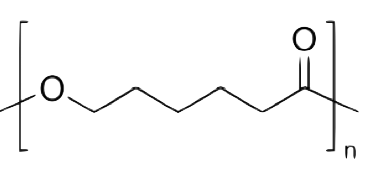
Composition: polycaprolactone
Polymer type: Biopolymer (polyester)
Extrusion temperature: 100-140 °C
Average Mn: 45,000/80,000
Poly(lactic acid) is a thermoplastic polyester based on lactic acid. The remarkable physicochemical properties of PLA, such as renewability, biodegradability, and approval by the United States Food and Drug Administration (FDA) for clinical use, open interesting prospects for its application in food packaging and biomedical materials.
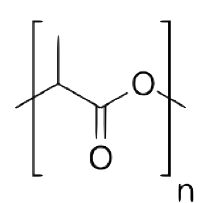
Composition: polylactic acid
Polymer type: Biopolymer (polyester)
Extrusion temperature: 120-220 °C
Average Mn:
PLGA polyester is a copolymer of polylactic acid (PLA) and polyglycolic acid (PGA). It is the best-defined biomaterial available for drug delivery in terms of design and performance.
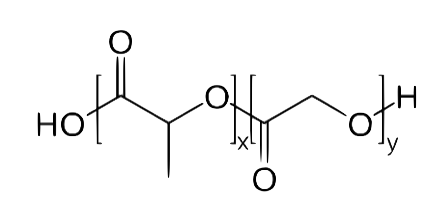
Composition: polylactic acid
Polymer type: Biopolymer (polyester)
Extrusion temperature: 120-220 °C
√ Biocompatible √ Easily functionalized √ FDA-approved Pellets √ Biodegradable



Developed by:

3D Products
I3D printers Modulars/Interchangeable
Materials
Assistance
Technical support
Manuals and software
News
Blog
Success stories
3D industry
3D research
About us
Company
Contact
Development and manufacturing
© 2026 Tumaker. All rights reserved
Privacy Policy