Grasp Case Study: 3D-printed parts using Tumaker technology travel to space
Grasp Case Study: 3D-printed parts using Tumaker technology travel to space
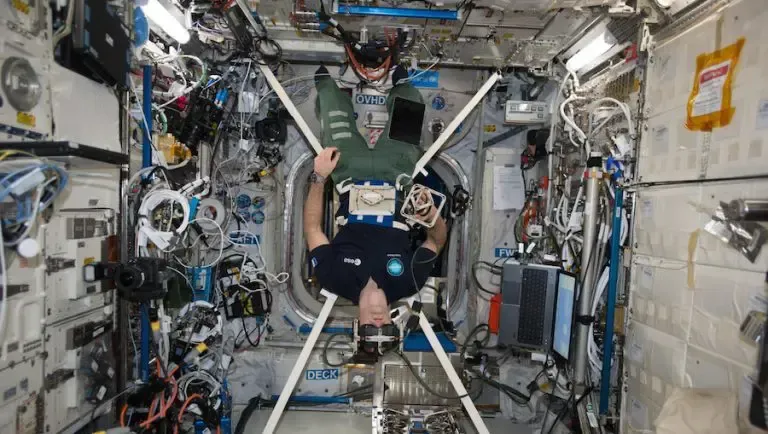
Tumaker technology played a role in the GRASP project (Gravitational References for Sensorimotor Performance: Reaching and Grasping), conducted in space by the ESA (European Space Agency) with the support of a data-gathering system developed by Tecnalia.
Experiment
The primary objective of the experiment was to understand how the central nervous system functions and how it integrates information from various senses (such as sight or hearing) across different frames of reference to coordinate hand movements with the visual environment. In other words, it sought to determine whether—and how—gravity acts as a frame of reference for controlling hand-reaching movements.
The experiment was conducted using a head-mounted display driven by an audio-graphic system (a virtual reality engine)—specifically, a 3D motion analysis system used to update visual and auditory displays in real time in order to analyze movements of the head, torso, arm, and tool (hand).
More information:
https://www.nasa.gov/mission_pages/station/research/experiments/2305.html
Problem
One of the issues encountered during the GRASP experiment was the inadequate attachment of the infrared markers to the virtual reality headset. The team opted for 3D printing to manufacture several custom-fitted parts made from specific plastics, ensuring optimal attachment, quality, and data acquisition.
"In the period leading up to the launch of the GRASP hardware, we discovered that the infrared markers used to track the astronaut's head movements were not attaching to the virtual reality headset with sufficient stability and precision. We chose 3D printing to produce custom mounts to stabilize the attachment. Tumaker provided us—on short notice—not only with the materials to manufacture the mounts but also with information regarding the composition of the plastics needed to meet the safety standards required for crewed spaceflight." – Dr. Joseph McIntyre, Ph.D.
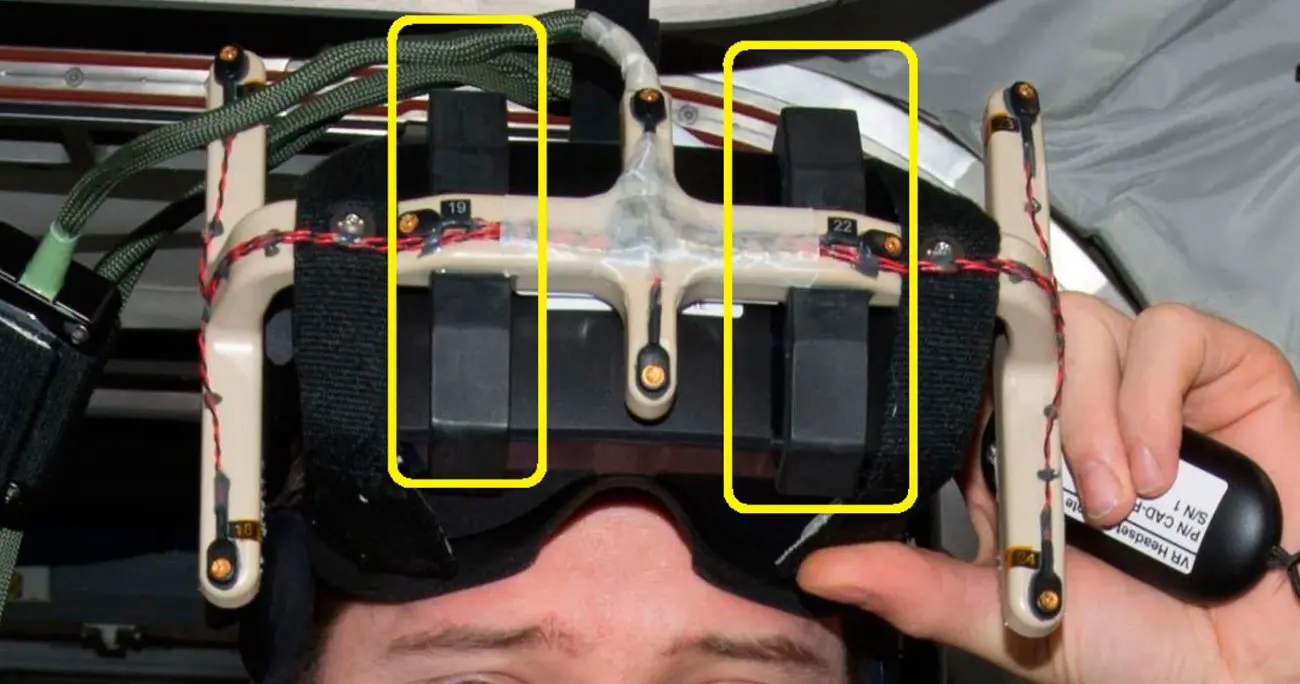
Tumaker’s innovative technology was used to produce key components for the hardware in this experiment—specifically, the parts that secure the virtual reality HMD (Head-Mounted Display) to the H-shaped structure.
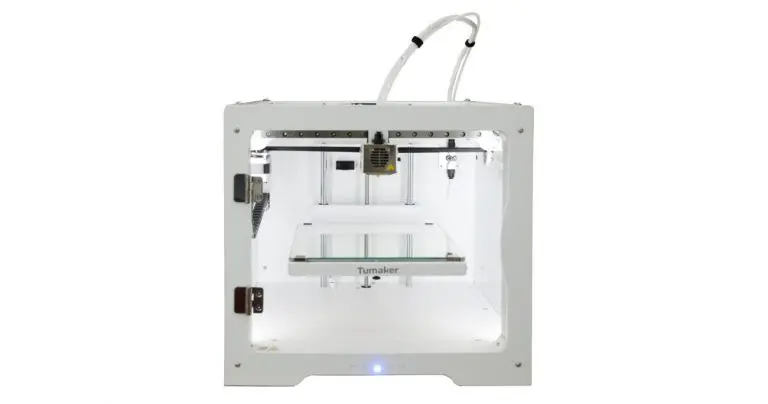
These parts were printed using the Voladora NX HD, a professional printer marketed by Tumaker; it is an industrial FDM 3D printer distinguished by its internet connectivity, high-quality part finish, and ability to work with a wide variety of materials.
Why was the GRASP experiment conducted?
Gravitational References for Sensorimotor Performance: The Reaching and Grasping (GRASP) experiment is designed to utilize a 3D tracking system. This experiment could enable scientists to explore new treatments for neurological disorders.
Space applications:
Living in space requires more than just the astronaut's body to adapt. The absence of a traditional ascent or descent requires the brain to adjust to the microgravity environment of spaceflight. This research provides further insight into how the body adapts to a microgravity environment.
Earth-based applications:
The research can help scientists better understand the functioning of the human vestibular system and how it connects with other sensory organs. In other words, it will lead to a better understanding of the physiology behind hand-eye coordination and shed light on the best ways to treat the loss of vestibular function on Earth. This research will also be useful in assisting astronauts during spacewalks.